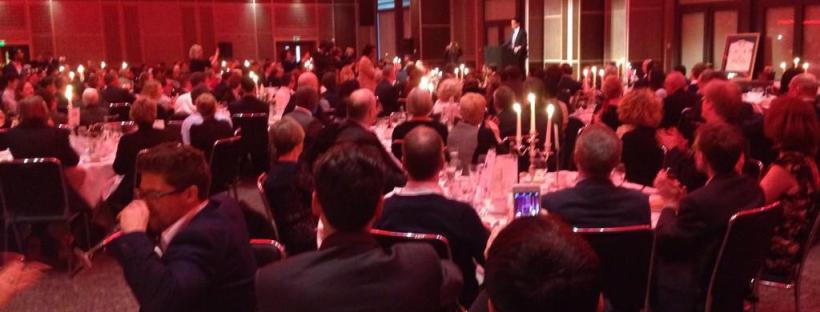
Last night I attended a gala dinner for a senior London MP. The leader of the Labour Party, Ed Miliband gave the keynote speech. Although he and several other speakers including Alistair Campbell were clearly talking politics, much of what they were saying resonated with me in more ways than just politics.
1) You have to create your story. You have to create your brand. It is you that has to define what you want to be known for. You have to position yourself. Otherwise your competition will happily do it for you and its highly unlikely to be complimentary. Note, the British media and Conservative Party have succeeded in creating the perception that Ed Miliband is ****** . The Labour Party have not succeeded thus far in creating theior own perception of Ed Miliband, one not to necessarily counteract the media one, but one that is an alternative so people can choose which one they want to buy into, namely changing the narrative, rather than playing into the Tory hand. But this has to be done collectively in order to achieve success. When one redefines a brand, one has to reposition the product, but all communications that mention the product muust be saying the same message for it to seem authentic and to be remembered. Marketing Rule 101: a consumer has to hear the message 7 times before they believe it usual in the form of editorial, social media, advert, direct mailer, cross-marketing , branded promotional material, an endorsement etc. With a person trying to redefine their brand, this will take place in the form of an endorsement, outdoor advertising, TV advertising, a compelling story that ties in with the new message and new positioning, social media releases, appearances of respected and senior Labour Party officials portraying the messaging constantly and convincingly. In return the opposition will try to discredit you but they cannot succeed if the Labour Party is united in the message they deliver. The story must come away from Ed Miliband and about the Labour Party and what they can do, they needs to be doe and what is likely to happen if they are not elected. As awful as this might sound, they must feed into people’s fears. It is the way society responds. Society responds to fear more than anything else, not hope, but fear. This is true for consumer products, hospitality industry, fashion lines, new education policies or a man vying to be the Prime Minister of his country.
2) Traditional media is almost irrelevant. People care about what their friends are thinking, recommending and what their peers are talking about. People want to belong. FOMO (Fear Of Missing Out) rules. The key is to get into people’s conversations, hot topics, a cool It’s what your friends are saying, what they’d recommending. They should be using social to target the undecided, social media to reinforce those that are influences, use social media to find and spur advocates. Use social media to recruit the next generation of Labour Party supporters, influencers and promoters. Social media is not a short-term gain, it can be immediate in some instances but its true benefit is its ability to find, recruit loyal followers who will in turn promote your message or product. Use social media to your advantage. Use it to engage and influence.
3) Be external facing. Alistair Campbell commented on the fact that the Party must talk to people on the outside, that is, spread the message to, meet with, engage with those that have not yet decided to vote – the undecided voters. It is this talk of being external facing that arouses my curiosity. A woman I once worked for spent many hours reinforcing the importance and necessity of being more external facing. Don’t look inside the business on best practices. Look at how other industries are successfully handling challenges you might be facing. You run a fashion company that has expanded into the Chinese markets but sales are not reaching predicted forecasts due to currency fluctuations. How has another bsuiness in a differnt industry handled that challenge. The hospitality industry in the Caribbean might be suffering from lower tourism from the USA due to a recession. Perhaps they could look at why the luxury beauty industry was not affected by the recession. There are case studies of best practices all around us, that is, if we are prepared to be external facing and look to ‘outsiders’ for the solutions to our problems.
 Marketed by Monique